Martyr's Stone: Unveiling Bloodstone's Ancient History & Beliefs
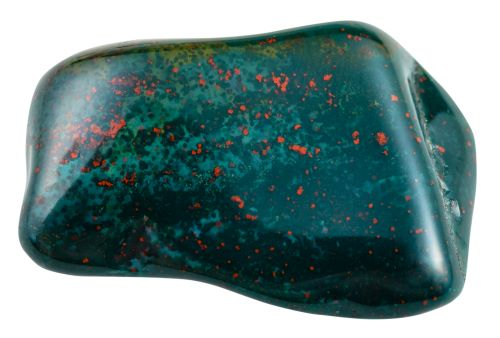
The world of gemstones is rich with natural beauty, but few stones carry the weight of history, spiritual reverence, and a distinct appearance quite like Bloodstone. Known by various names, including Heliotrope and the revered "Martyr's Stone," this fascinating gem is instantly recognizable as a deep
green chalcedony with spots of red jasper. Its unique aesthetic, coupled with centuries of lore and practical applications, makes Bloodstone a compelling subject for enthusiasts and collectors alike. Far from a mere curiosity, this verdant stone with its crimson flecks has been a cornerstone of belief systems across continents for millennia.
The Unique Anatomy of Bloodstone: More Than Just a Green Chalcedony
When one hears "Bloodstone," the imagination might conjure images of a crimson gem. However, the reality is a striking paradox that adds to its mystique. Bloodstone is predominantly a dark green, opaque gemstone, often found with vibrant splashes of red. This distinct appearance is key to understanding its identity and its enduring appeal.
Distinguishing Bloodstone from Other Gemstones
At its core, Bloodstone is a variety of cryptocrystalline quartz, specifically a type of chalcedony. More precisely, it is often described as a dark
green jasper with red spots. The rich green hue that defines the gem is attributed to the presence of masses of chlorite within its composition. Meanwhile, the characteristic red speckles, streaks, or blotches – which are truly what give Bloodstone its evocative name – are caused by inclusions of iron oxides. These reddish-brown to bright red deposits create a stark and beautiful contrast against the deep green backdrop.
While ideally, a high-quality Bloodstone will display a solid, vibrant green base with clearly visible red spots, nature is varied. It's not uncommon to encounter specimens where the red spots are minimal or even entirely absent, though these might be less sought after by those specifically looking for the "blood-like" appearance. Possessing a hardness of approximately 7 on the Mohs scale, Bloodstone is durable enough for various jewelry applications, from rings to pendants, and exhibits a conchoidal fracture typical of the chalcedony family. Its opaque nature lends it a grounded, earthy appeal, differentiating it from more translucent or transparent gemstones.
Heliotrope: A Name Rooted in Antiquity
Beyond "Bloodstone," another significant name for this gem is "Heliotrope." This moniker, particularly favored by European authors and in historical texts from the 18th century and earlier, offers a different glimpse into its perceived qualities. Derived from the Greek words "helios" (sun) and "trepein" (to turn), Heliotrope translates to "sun-turner." Ancient beliefs suggest the gemstone was thought to resemble the setting sun's reflection on the ocean's surface, particularly when viewed in water, further enriching its lore. This dual naming highlights the gem's multifaceted identity, appreciated both for its sanguine appearance and its perceived connection to celestial phenomena.
A Tapestry of Time: Bloodstone's Ancient History and Profound Beliefs
Bloodstone's story is deeply interwoven with human history, spanning continents and cultures. Its perceived powers and symbolic significance have made it a treasured artifact, medicine, and talisman for thousands of years. From ancient Mesopotamia to the early Christian world, the allure of this
green chalcedony with spots of red jasper has been undeniable.
The Martyr's Stone: A Sacred Christian Legacy
Perhaps one of the most poignant and widely recognized beliefs associated with Bloodstone comes from Christian tradition, where it earned the deeply sacred title of the "Martyr's Stone." This belief posits that a piece of
Bloodstone: Green Chalcedony with Red Spots Revealed, lying at the foot of Jesus Christ during his crucifixion, became forever stained by his blood. This powerful narrative elevated Bloodstone to a highly revered status among Christians, who saw in its red flecks a tangible connection to the ultimate sacrifice.
Throughout history, this reverence led to Bloodstone being used in stunning stone carvings depicting the crucifixion and other significant biblical events. For many believers, the external beauty of the gem was secondary to its profound spiritual significance and its perceived effectiveness. The raw, unpolished stone carried just as much, if not more, symbolic weight than a finely cut and polished specimen. This tradition underscores how deeply the stone's physical characteristics resonated with profound spiritual narratives, making it a powerful symbol of faith and devotion.
Healing Traditions and Esoteric Powers
Beyond its Christian connections, Bloodstone boasts a long history of use in ancient healing practices and esoteric beliefs across various cultures. In India, for instance, Bloodstone has been recognized for its purported medicinal properties for centuries. Finely powdered Bloodstone was traditionally incorporated into various remedies, highlighting a long-standing belief in its therapeutic capabilities. The consumption of large quantities of high-quality Bloodstone in India for these purposes attests to its significant role in traditional medicine.
Historically, Bloodstone has also been revered as a stone of courage, vitality, and protection. Ancient warriors and athletes were known to carry Bloodstone amulets, believing it would staunch bleeding, bestow strength, and protect them from harm. It was thought to enhance physical prowess and endurance. Furthermore, many cultures attributed purifying qualities to the gem, using it in rituals to cleanse negative energy and promote spiritual well-being. Its grounding energy was believed to help individuals remain calm and focused amidst chaos, offering a sense of stability and resilience. These diverse beliefs, ranging from physical healing to spiritual fortification, have cemented Bloodstone's place as a powerful talisman throughout human civilization.
Bloodstone in Modern Times: From Birthstone to Jewelry
While its ancient history and spiritual significance are undeniable, Bloodstone continues to captivate hearts in the modern era. Its distinctive appearance and rich lore make it a popular choice for contemporary jewelry, spiritual practices, and as a cherished birthstone.
March's Enduring Birthstone
Since 1912, Bloodstone has held the esteemed position as the modern birthstone for the month of March. For those born under this spring sign, the deep
March's Bloodstone: Deep Green Chalcedony with Red Jasper serves not only as a personal emblem but also as a connection to its ancient protective and invigorating energies. Choosing Bloodstone jewelry today often carries a deeper meaning for wearers, linking them to centuries of belief in its power to instill courage, enhance vitality, and offer protection.
When selecting Bloodstone, look for pieces that exhibit a rich, consistent green color with clearly defined red spots for optimal aesthetic appeal and adherence to traditional descriptions. As an opaque stone, its beauty lies in the interplay of its colors and patterns rather than its clarity. Caring for Bloodstone is relatively simple: clean it with warm, soapy water and a soft cloth, avoiding harsh chemicals or ultrasonic cleaners that could damage it. Its durability makes it suitable for daily wear, making it an excellent choice for rings, pendants, earrings, and bracelets.
Beyond Aesthetics: The Enduring Appeal
The enduring popularity of Bloodstone goes beyond its striking visual appeal or its status as a birthstone. For many, the choice to wear Bloodstone rings, pendants, or other pieces is deeply rooted in the belief in its metaphysical properties. Whether seeking a symbol of courage, a grounding influence, or a connection to ancient spiritual traditions, individuals are drawn to Bloodstone for its perceived effectiveness. Its beauty, or lack thereof in the eyes of some, does not detract from its perceived power. This is a gem revered not just for its surface, but for the profound stories and energies it is believed to embody. From intricate carvings depicting religious scenes to simple tumbled stones used in meditation, Bloodstone continues to be a versatile and meaningful gem.
Conclusion
The Bloodstone, or Martyr's Stone, is far more than just a captivating piece of nature. This deep
green chalcedony with spots of red jasper is a vibrant chronicle of human belief, history, and natural artistry. From its scientific composition – a unique blend of green chalcedony with iron oxide inclusions – to its revered status in ancient healing practices and sacred Christian lore, Bloodstone stands as a testament to the profound connection between humanity and the earth's treasures. Whether admired for its stunning aesthetic, cherished for its symbolic meaning, or valued for its perceived metaphysical properties, Bloodstone remains a powerful and intriguing gemstone, continuously unveiling new facets of its ancient legacy.